


Wood siding or trim can rot near a roofline when repeated wetting keeps it from drying. Possible contributors include missing or poorly integrated flashing, concentrated roof runoff, overflowing gutters, and siding installed too close to the roofing. A useful evaluation identifies the material, follows the water path, and determines how far the damage extends before recommending a repair.
First, Identify What Is Actually Deteriorating
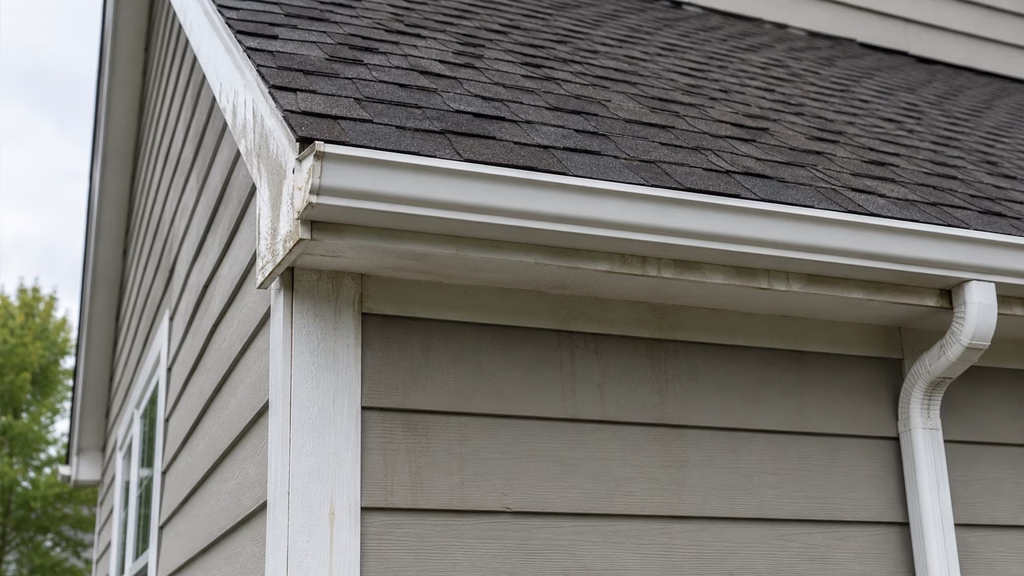
Homeowners often use “rotting siding” to describe several different conditions.
Wood siding and trim can decay. Vinyl does not rot like wood, and staining on fiber cement does not automatically mean the siding has decayed. However, wood sheathing, trim, or framing behind either material can deteriorate if water repeatedly reaches it.
Peeling paint, swelling, cracking, and discoloration deserve attention, but appearance alone does not establish the cause or the extent of a repair.
What Can Cause Damage Near a Roofline?
Missing or Poorly Integrated Roof Flashing
Where a sloped shingle roof runs alongside a wall, step flashing helps direct water onto the roof. Its pieces overlap with the shingle courses and connect with the wall’s water-management layers.
At the lower end of a roof and wall intersection, kickout flashing turns runoff away from the wall and into the gutter where one is present.
If those details are missing, damaged, or connected incorrectly, water can run against the siding or enter behind it. The visible stain may appear below the actual entry point.
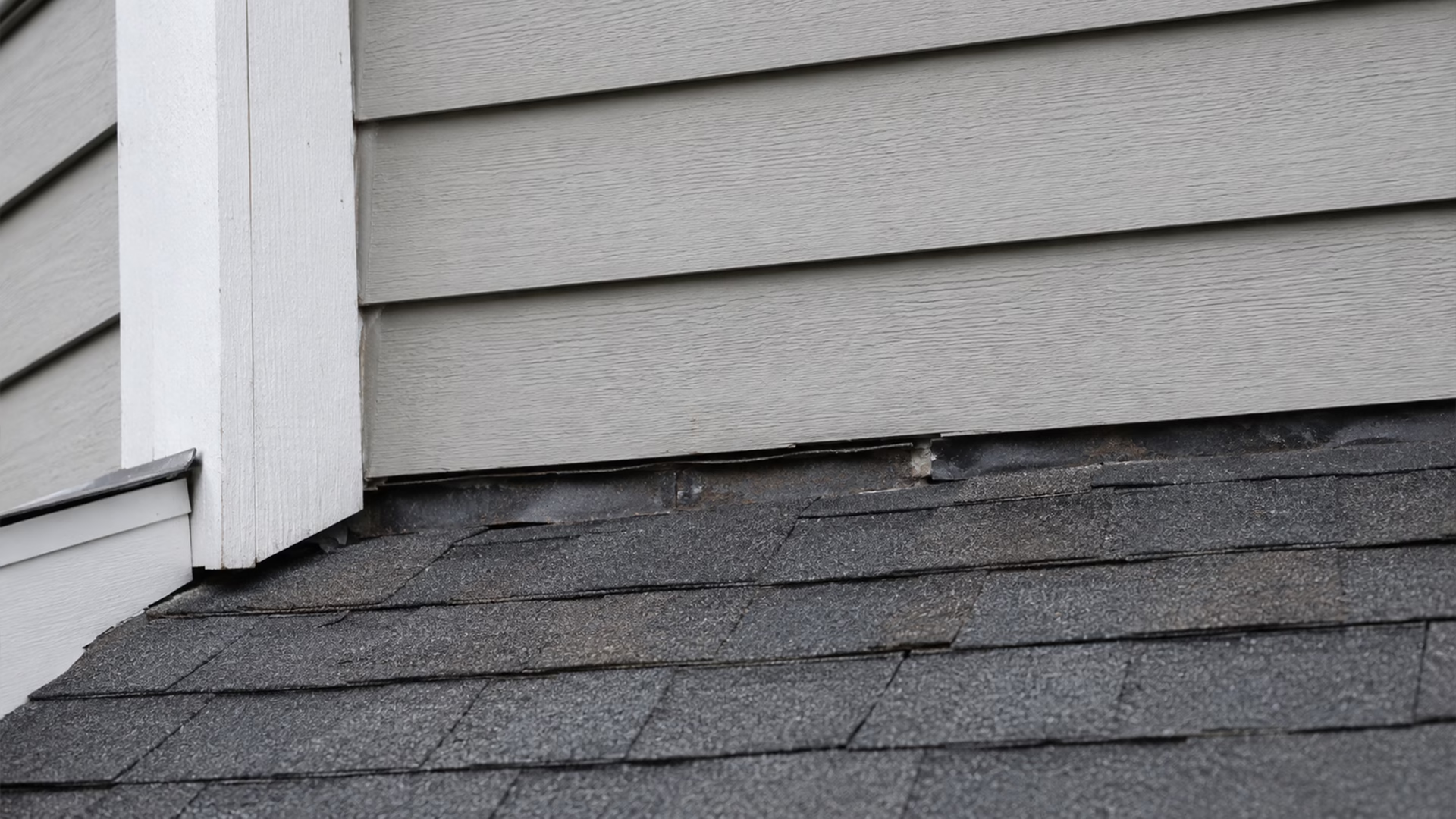
Siding or Trim Too Close to the Roof
Siding and trim need the clearance specified for the particular product and installation.
Material sitting too close to the roof can be exposed to repeated wetting from runoff and splashback. Wood edges that stay wet may begin to deteriorate.
There is no single clearance measurement that applies to every siding material. The correct detail depends on the product, the surrounding assembly, and the applicable installation requirements.
Gutters and Concentrated Runoff
A gutter that overflows or allows water to pass behind it can repeatedly wet nearby fascia, trim, and wall surfaces.
The cause may involve debris, gutter alignment, outlets, downspouts, or the way water arrives from the roof. Valleys can concentrate runoff at one location, making the adjoining details especially important.
A larger gutter is not automatically the answer. The evaluation needs to establish where the water is going and why.
Problems Behind the Finished Siding
Siding is one layer of the wall’s protection.
Flashing and the water-resistive layer behind the siding also need to direct water toward the exterior. A problem at one of those connections may remain concealed until staining, loose material, or deterioration becomes visible.
Replacing the outer board may leave the underlying problem unresolved if water is still entering behind it.
What Should You Look For?
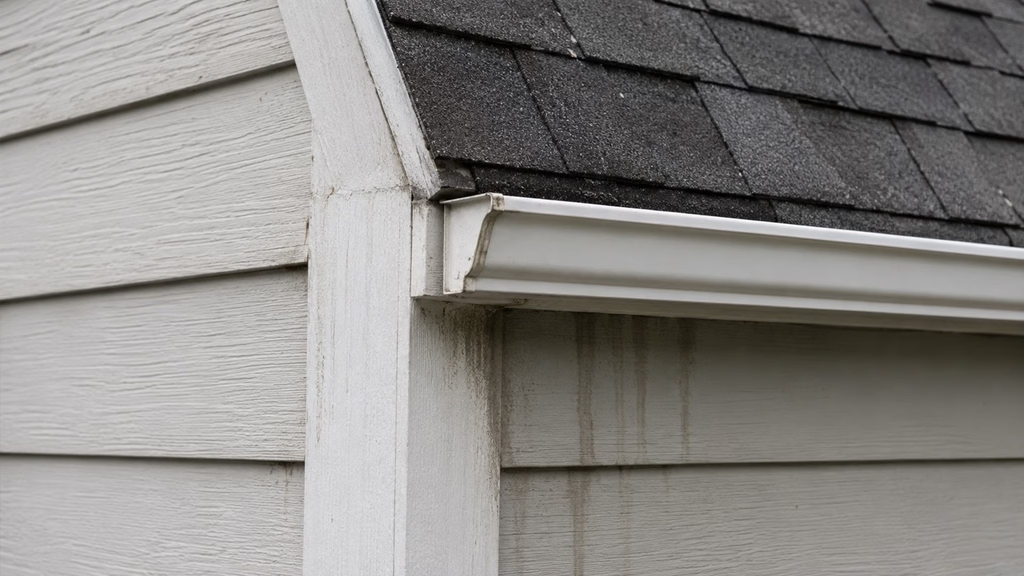
Possible signs of a roofline moisture problem include:
- Peeling paint concentrated near a roof and wall intersection.
- Swollen, soft, or crumbling wood siding, fascia, or trim.
- Persistent staining below the end of a roof section.
- A gutter overflowing repeatedly at the same location.
- Siding or trim touching the roof surface.
- Loose material or deterioration that returns after a previous repair.
- Interior staining near the corresponding wall or ceiling.
These observations help guide an evaluation. They do not prove that one particular component has failed.
Photographs taken from the ground can help document the location and whether the condition changes after rain or snowmelt.
Why Does It Matter?
If repeated wetting continues, the affected area may extend beyond the visible siding or trim. Sheathing or framing behind the surface can also be involved.
That does not mean every stain indicates extensive concealed damage. It means the visible condition should be investigated before it is painted over or covered with new material.
The goal is to understand both the damaged component and the conditions that allowed it to remain wet.
Can the Siding Be Repaired?
When a Focused Repair May Be Appropriate
A focused repair may be enough when:
- The moisture source can be identified and corrected.
- The damaged material is limited to a defined area.
- The surrounding materials are sound.
- The required flashing and drainage connections can be completed.
- Suitable replacement material is available.
The work might involve selected siding or trim replacement, flashing corrections, and an adjustment to nearby drainage.
When the Scope May Need to Expand
Additional work may be needed when damage extends behind the siding or when adjoining materials must be removed to reach the affected area.
A roof and wall transition, for example, may require both roofing and siding work to integrate the flashing properly. A repair may also become more involved if the existing siding is brittle, discontinued, or unsuitable for reinstallation.
Those conditions should be explained clearly. They do not automatically mean the entire home needs new siding.
How The Exterior Zone Evaluates Roofline Damage
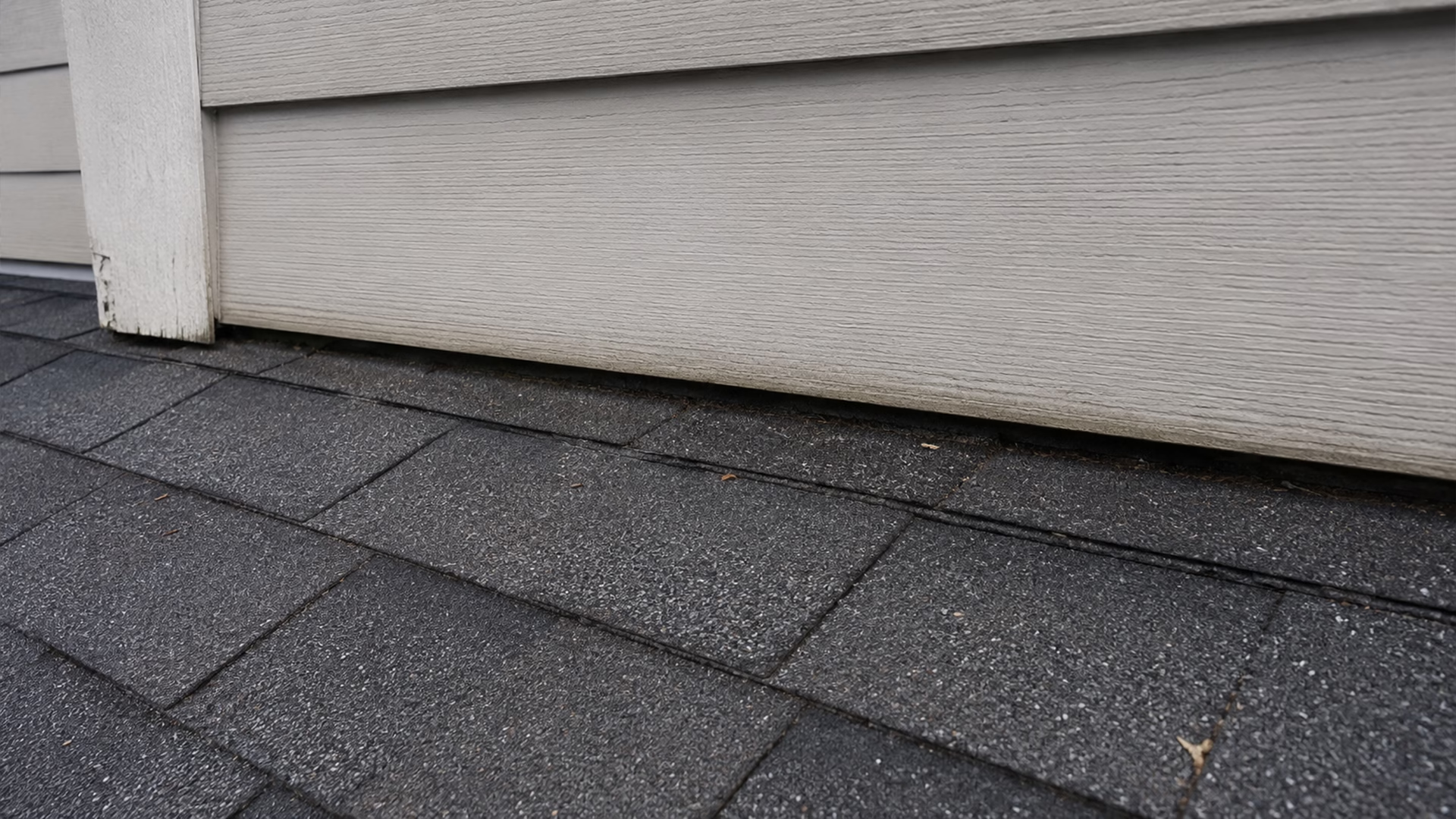
We begin with the material, the location of the damage, and the surrounding exterior details.
Depending on the condition and available access, the evaluation may include:
- The roof and wall intersection.
- Visible step flashing and kickout details.
- Siding and trim clearance above the roof.
- Nearby fascia, soffit, and gutter conditions.
- Roof runoff, gutter outlets, and downspout routing.
- Signs of moisture behind the finish or inside the home.
We explain what can be confirmed from the visible conditions and where further investigation may be needed. Concealed damage cannot always be established without opening part of the assembly.
If repair work is appropriate, the scope should describe the affected area, the proposed correction, and how the roofing, flashing, siding, and drainage details will connect.
A Related Exterior Restoration in Oxford
The Sansoterra family’s Oxford project began with deteriorated fascia and ultimately included roofing, trim, selected siding repairs, ventilation, painting, and gutters.
The completed work included flashing integrated with adjoining siding and a roof transition at a front dormer. The project illustrates how work at a roof edge can involve several connected exterior components.
Read the Sansoterra exterior restoration case study for the project’s findings and completed scope.
Frequently Asked Questions
H3: Sealant can be appropriate at joints designed to receive it, but it cannot replace a missing or incorrectly integrated flashing detail.
Before adding caulk, the water path needs to be understood. Covering the visible opening may leave the entry point unresolved or interfere with drainage.
Why Would a Repair Require Removing Undamaged Siding?
The flashing or damaged material may extend behind the siding.
Removing nearby pieces can provide access to repair the underlying area and connect the water-management layers correctly. Whether those pieces can be reinstalled depends on their condition, fastening method, and material.
Related Services
- Siding repair and replacement
- Roofing evaluations and roof work
- Exterior painting and wood trim repair
- Gutters and water management
Seeing Damage Near Your Roofline?
Start by understanding what is getting wet and how the water is reaching it. The Exterior Zone helps homeowners evaluate the condition and determine whether a focused repair or a broader scope is appropriate.
